To mark the upcoming 1050th anniversary of the founding of Yuelu Academy and the 100th anniversary of the naming of Hunan University, a Hunan University History Exhibition officially opens in Yuelu Academy.
The exhibition is housed in the Banxue and Jiaoxue Studios, spanning approximately 900 square meters. The exhibits are arranged following two threads—chronological events and prominent figures.
There are three sections:
- The Time-Honored Mission of Imparting Wisdom for the Benefit of the People
- Seeking Truth from Facts and Keeping Pace with the Times
- Applying Wisdom to Real-World Challenges, Pursuing Excellence
A total of 1,773 precious historical photographs and 204 pieces or sets of objects are on display, showcasing the university's time-honored glories from the ancient Yuelu Academy to today's Hunan University (HNU); the commitment to shouldering the responsibility of sacrificing oneself for the country and the nation in times of crisis; and, hard work and fruitful achievements made in solidarity in the new era and on the new journey. HNU's unceasing educational tradition spanning over one thousand years through vicissitudes and progress over the past centuries are presented in a comprehensive way.
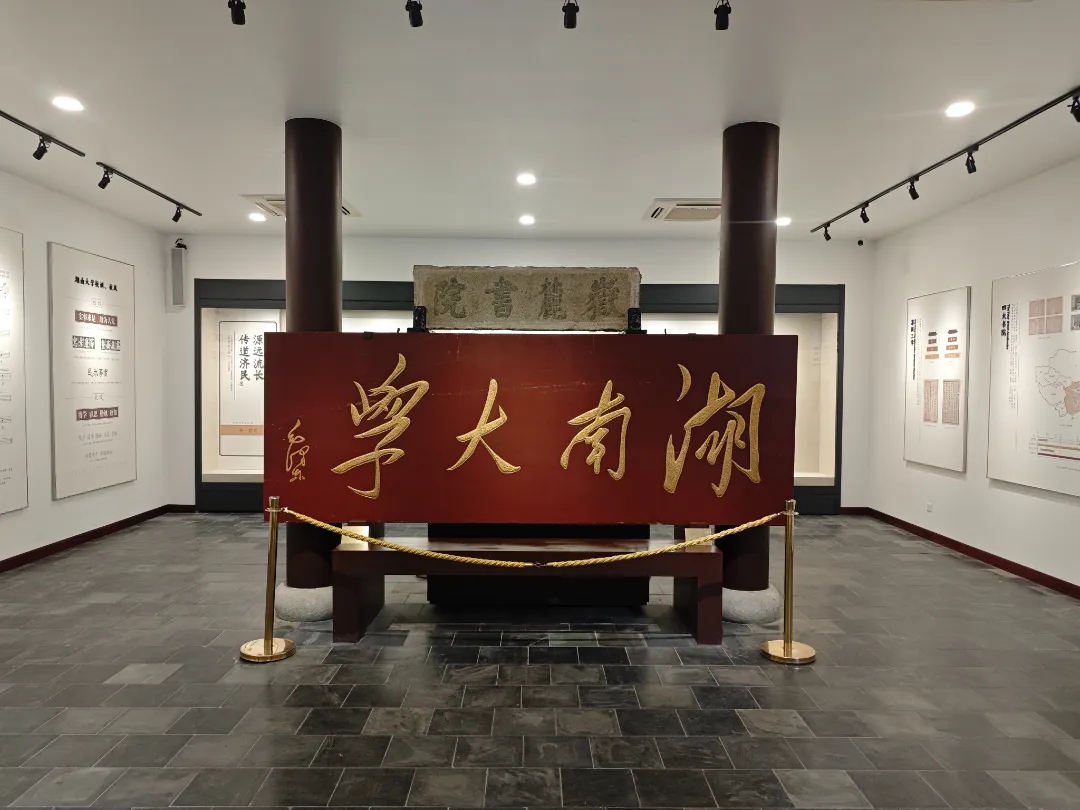
There are two special exhibits in the center of the first hall. The upper exhibit is a stone plaque, inscribed with "Yuelu Academy" written by Emperor Zhenzong of the Song Dynasty (960–1279) and recrafted during the Ming Dynasty (1368–1644). In 1015, Emperor Zhenzong summoned Dean Zhou Shi, bestowed upon him imperial robes, saddlery and horses, and books from the imperial collection, and inscribed the plaque as a gift to honor the outstanding achievements of Yuelu Academy.
Next is a plaque with the university name inscribed by former President Mao Zedong. In 1950, at the request of HNU President Li Da, Chairman Mao personally wrote the name "Hunan University." The characters were then inscribed onto the plaque which was hung above the main gate of Yuelu Academy with a solemn ceremony.
These two plaques exemplify the academy's academic lineage spanning over a thousand years and also reflect HNU's status and influence throughout history.
On September 17, 2020, Chinese President Xi Jinping inspected HNU. He expressed a deep regard for Yuelu Academy, resonating with its status and influence in the transmission of Chinese culture.
Today, HNU shoulders the sacred mission of cultivating talents for the Party and the country. The university is dedicated to fostering pragmatic and visionary leaders for the new era, striving to open new ground to build a world-class university that embodies distinctive Chinese characteristics and carries forward a profound historical and cultural legacy, demonstrating a renewed commitment to the development of a modern Chinese civilization.
Forward
The Forward section presents HNU's history, anthem, and mottos.
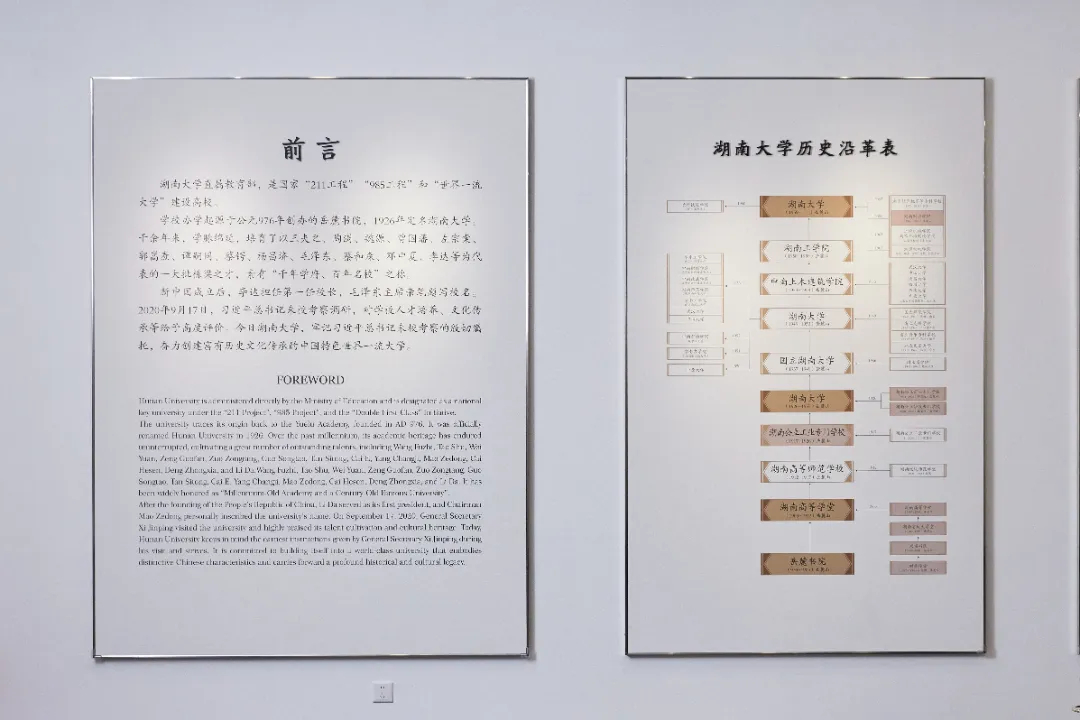
A chronological chart shows the evolution of HNU from an ancient academy, to a modern institution, and to becoming the modern university of today.
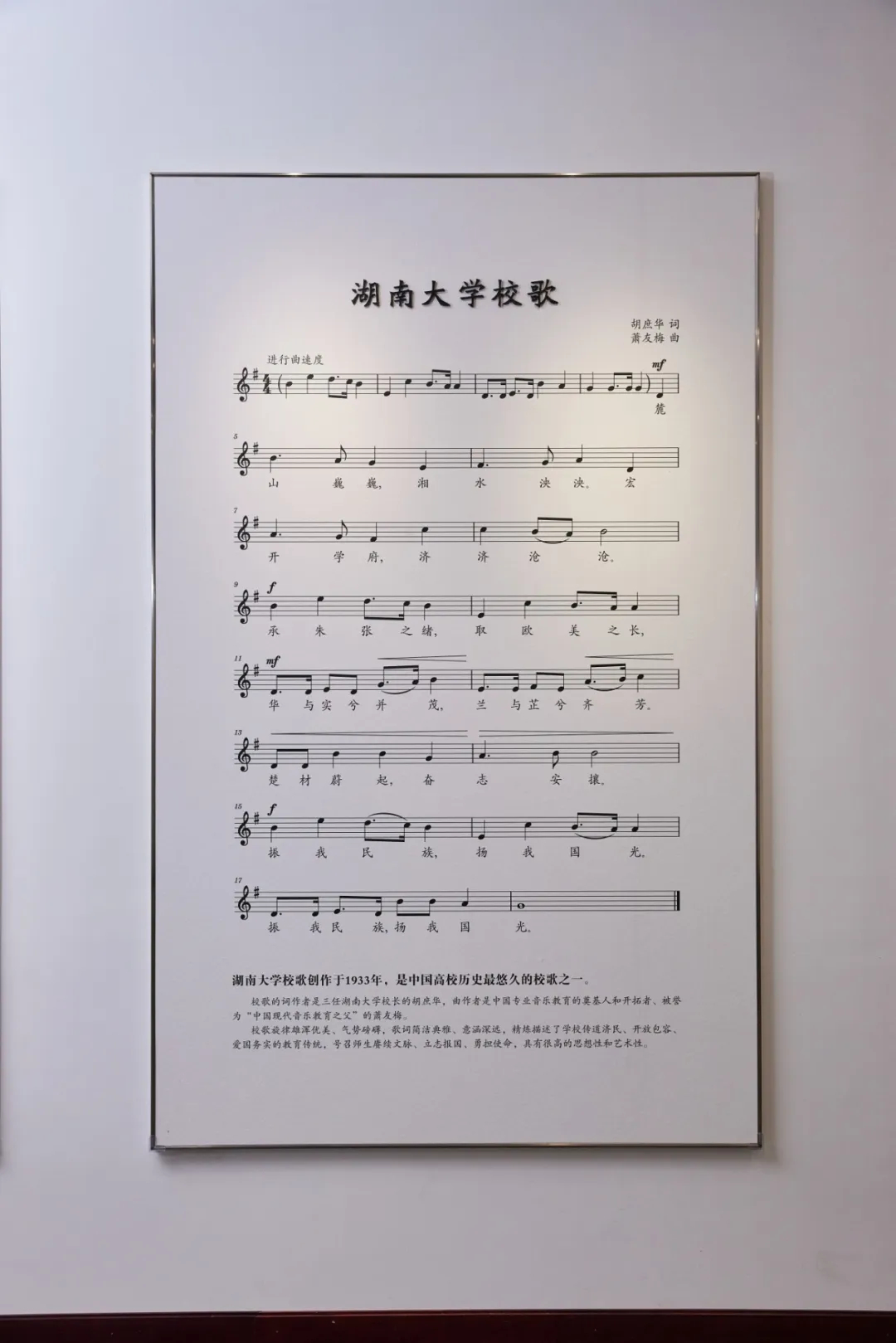
Composed in 1933, the HNU anthem is one of the oldest school anthems among Chinese higher education institutions. The lyrics were created by Hu Shuhua who served as HNU president three times, and the music was composed by Xiao Youmei, known as the father of modern Chinese music education.
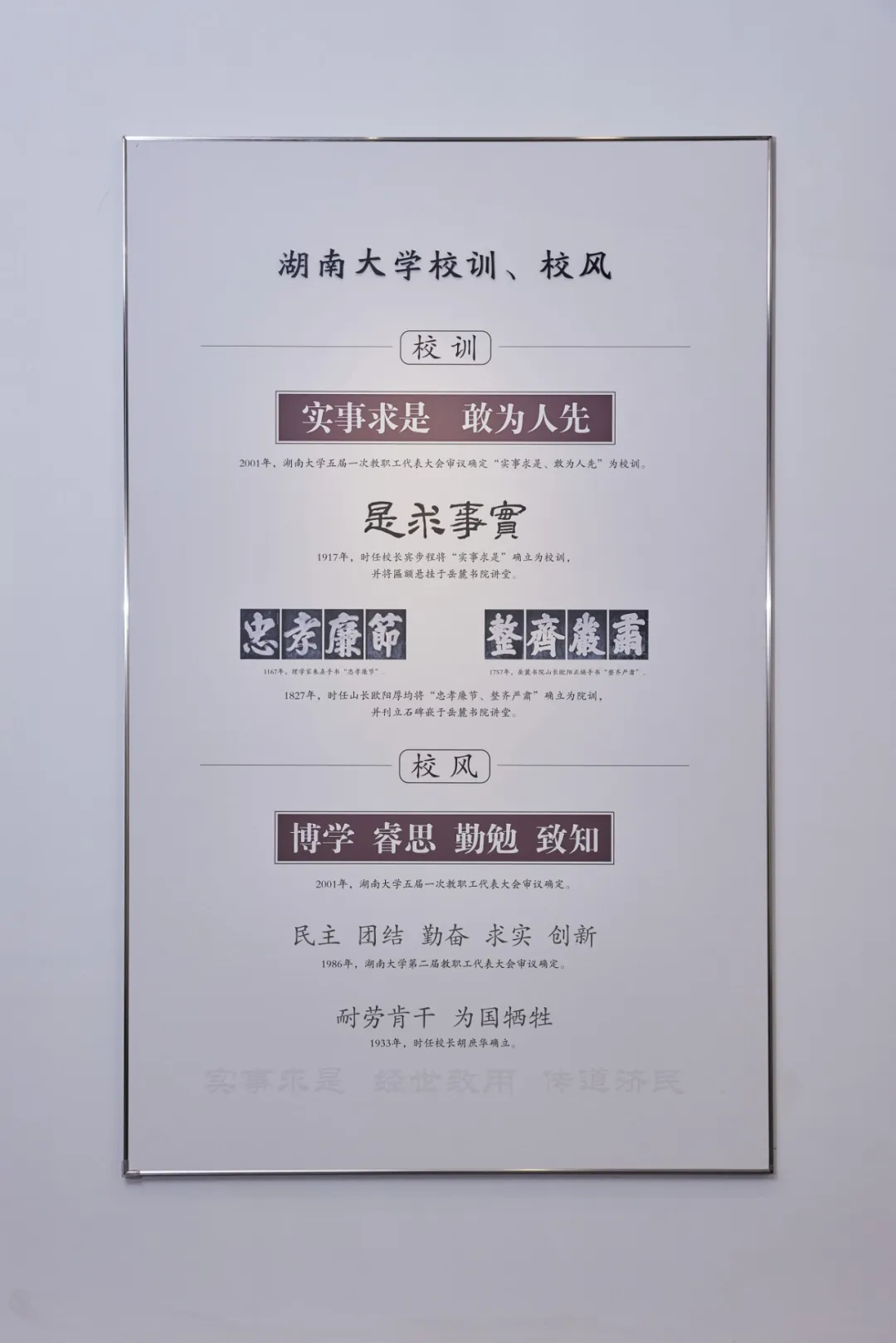
In 1917, HNU President Bin Bucheng established the university motto of "Seeking Truth from Facts," and hung a plaque with this motto in the Lecture Hall of Yuelu Academy. Chairman Mao Zedong once stayed there, and was deeply influenced by this motto. On September 17, 2020, during his inspection tour in HNU, Chinese President Xi Jinping noted that Yuelu Academy was the origin of the Party's ideological line "Seeking Truth from Facts."
The Time-Honored Mission of Imparting Wisdom for the Benefit of the People
This section mainly showcases the unceasing educational tradition since the founding of Yuelu Academy in 976, spanning the Song, Yuan, Ming, and Qing dynasties, up to the establishment of the modernized institutions.
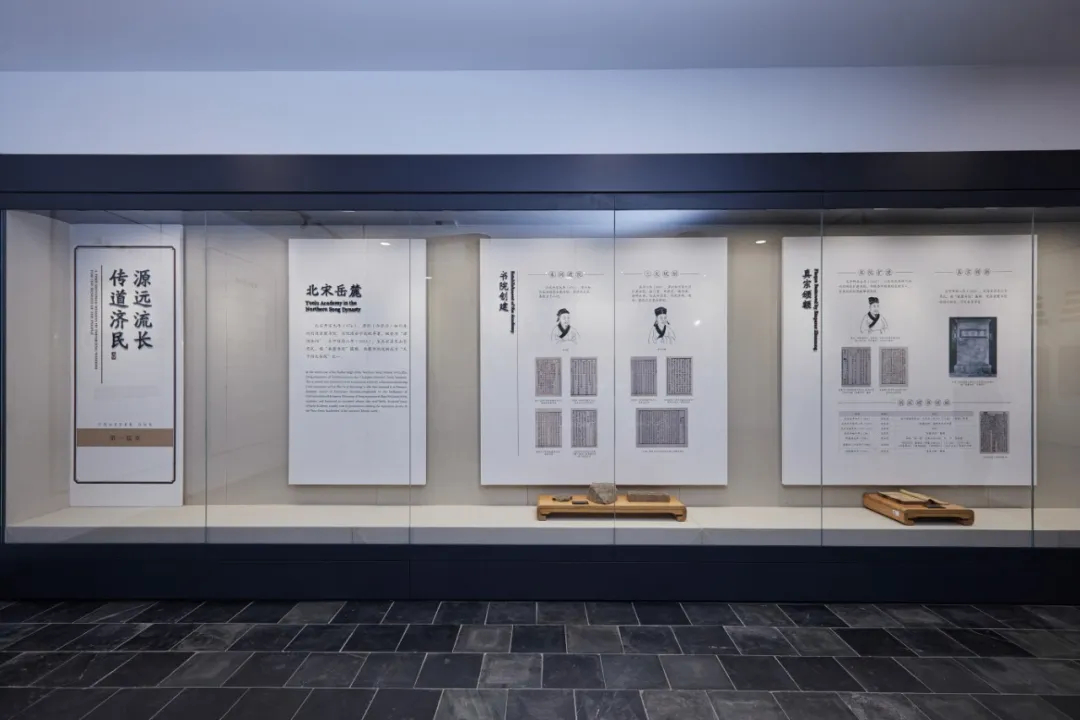
During the Northern Song Dynasty (960-1127), Yuelu Academy developed into one of the four great academies in ancient China.
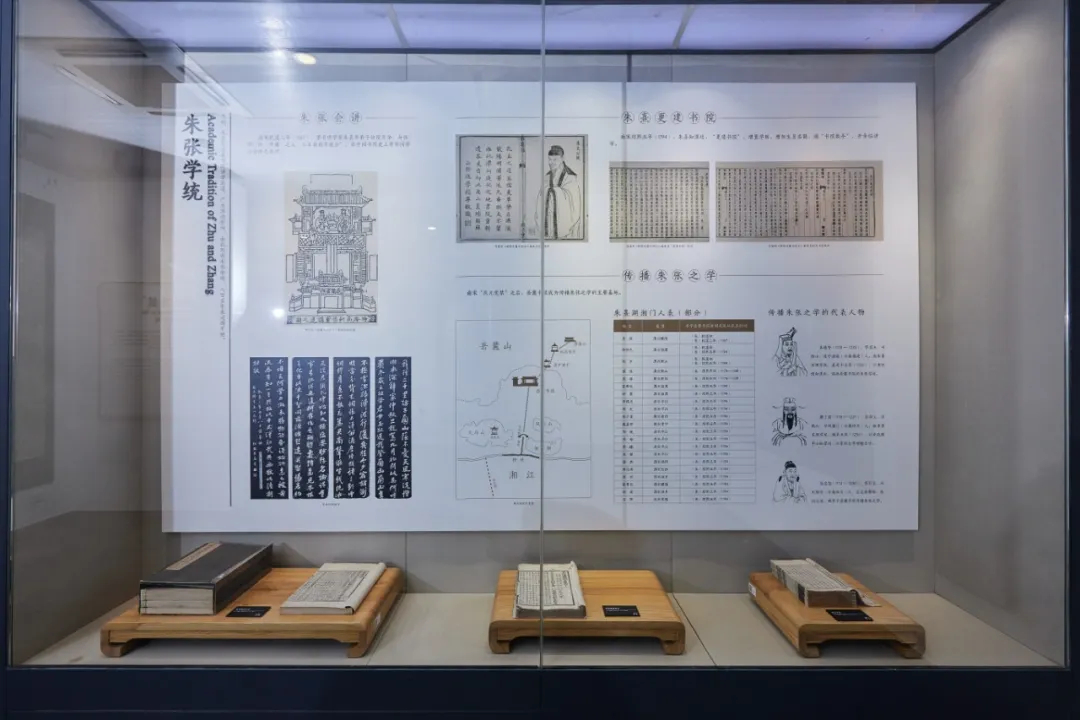
During the Southern Song Dynasty (1127–1279), the "Zhu-Zhang Lecture Forum" (academic dialogues between the famous scholars Zhu Xi and Zhang Shi) set the precedent for academic lecture forums in ancient academies.
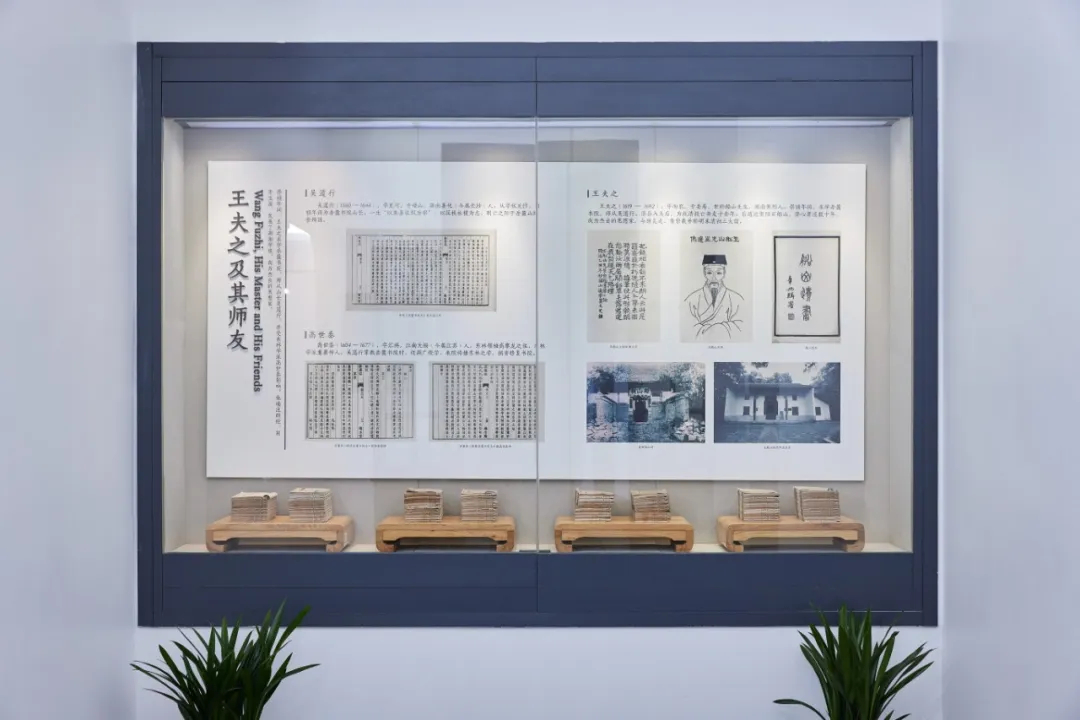
During the Yuan and Ming dynasties (1271-1644), Yuelu Academy and Bailudong Academy were recognized as models for academy construction, continuing to play a leading role in this regard.
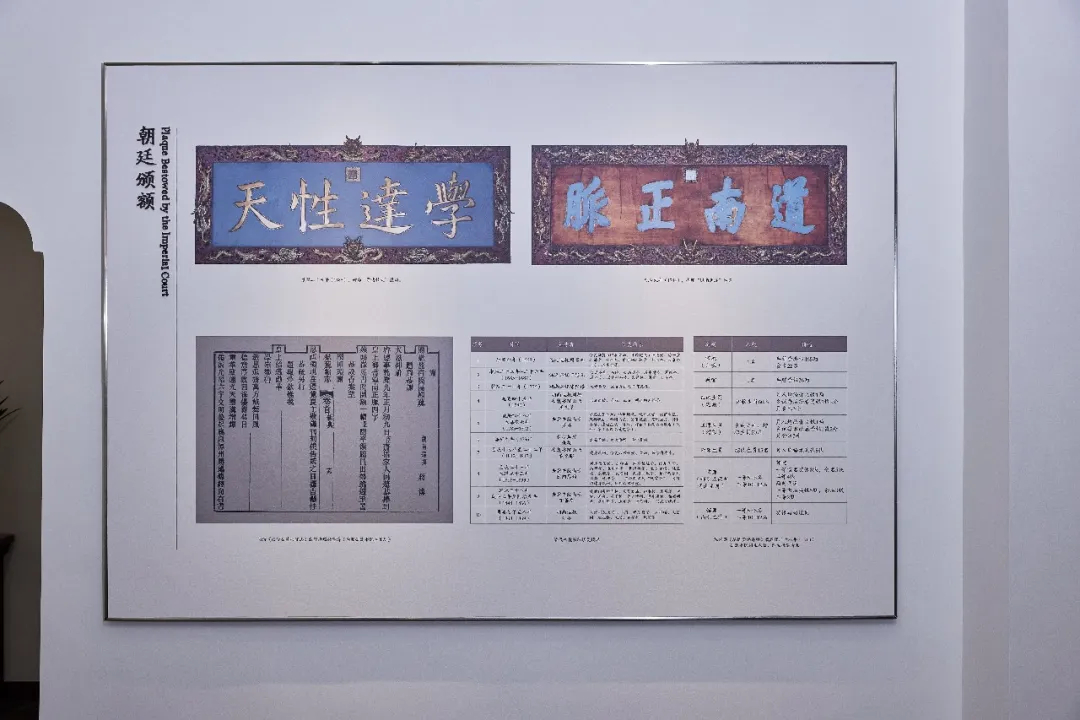
Throughout its history, Yuelu Academy was bestowed seven times with imperial plaques and books from various emperors. These photographs show two plaques bestowed by the emperors Kangxi (1662 - 1722) and Qianlong (1736 - 1796) in the Qing Dynasty, respectively inscribed with "Xue da xing tian" (learning that emulates Heaven) and "Dao nan zheng mai" (the true teachings of Cheng-Zhu Neo-Confucianism have come to the south).
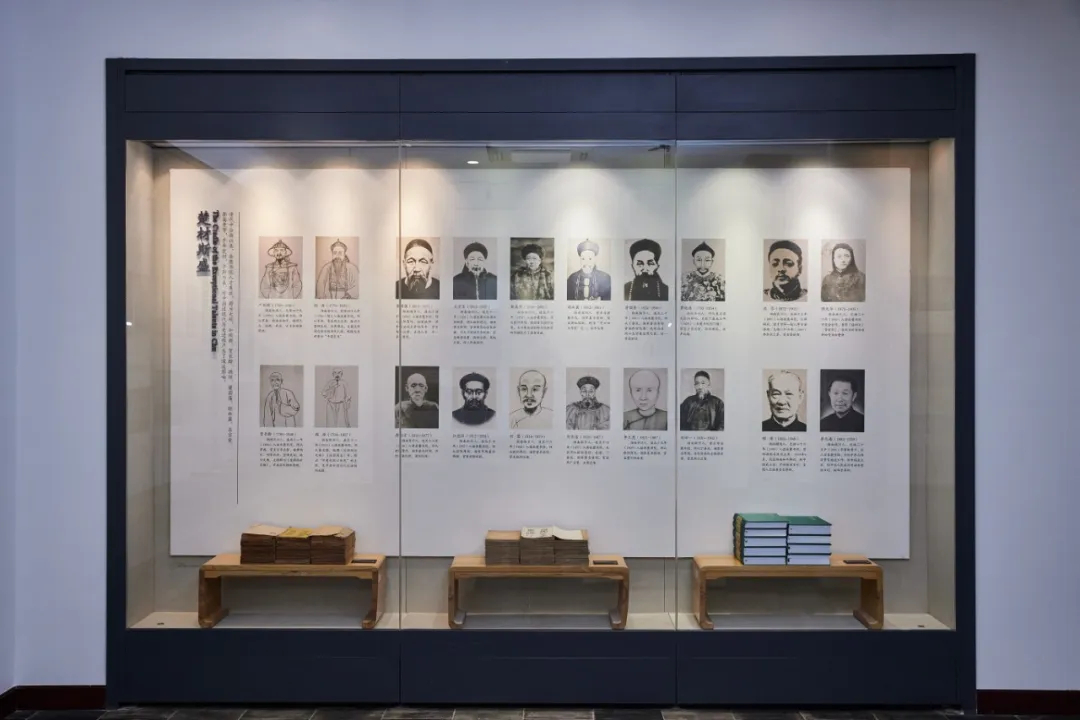
During this period, Yuelu Academy cultivated an array of influential personages who dedicated themselves to managing state affairs and benefiting the people, contributing significantly to China's modern and contemporary history. These included Tao Shu, Wei Yuan, Zeng Guofan, Hu Linyi, Zuo Zongtang, and Guo Songtao.
Seeking Truth from Facts and Keeping Pace with the Times
This section introduces HNU's explorative efforts during the period from 1926 when the school was officially renamed, to the establishment of a national-level higher learning institution and a renewed university for the people, growing into a modern university in the Reform Era.
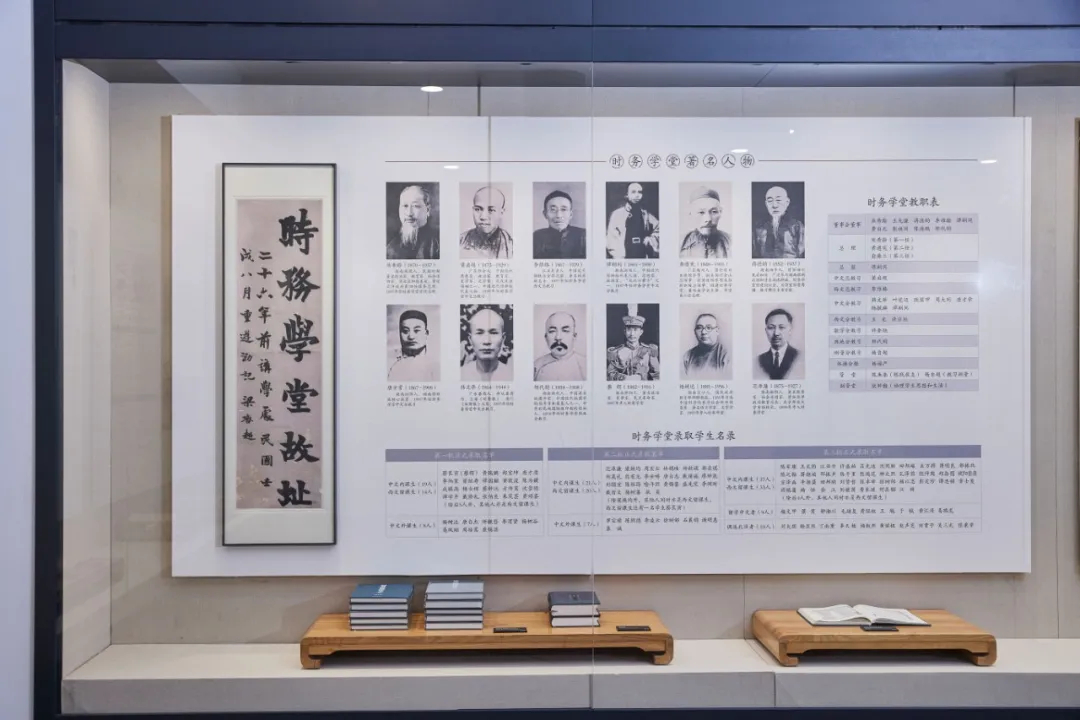
Amid the nationwide wave of academy reconstruction, in 1903, Yuelu Academy was reorganized into the Hunan Institute of Higher Learning, and then merged with the higher learning institution which can be traced back to Shiwu School established in 1897, to found a new Hunan Institute of Higher Learning. Hence, the one-thousand-year-old Yuelu Academy embarked on its new journey of modern education.
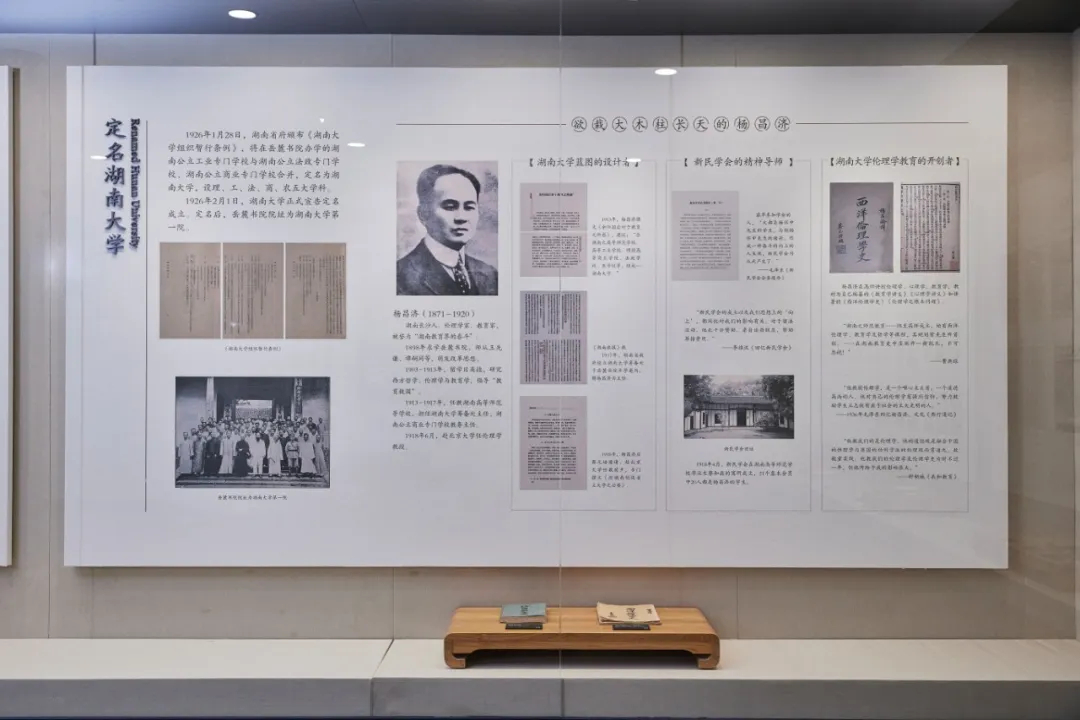
Yang Changji, a teacher of the Hunan Normal College (predecessor of HNU) and the "designer of the blueprint for HNU."
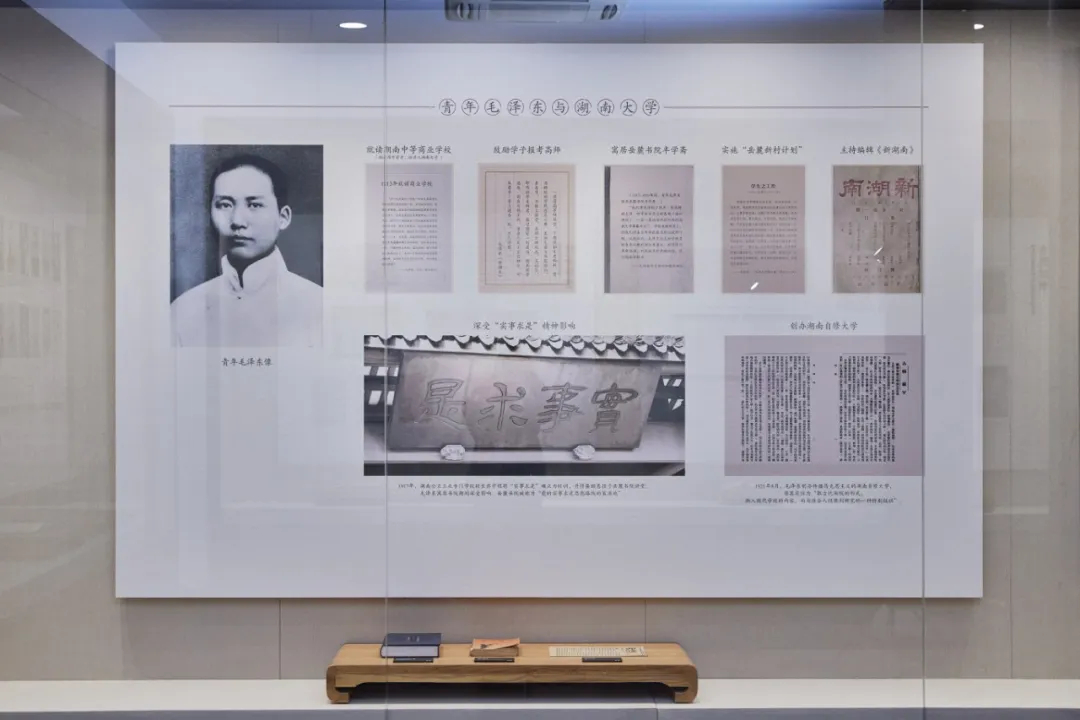
Chairman Mao Zedong had a profound connection with HNU. During his youth, he studied at the Hunan Public Business College, one of HNU's predecessors, and resided several times at the Banxue Studio in Yuelu Academy. Deeply influenced by the motto of "Seeking Truth from Facts," he mapped out a "Yuelu New Village Plan" and organized the editing ofNew Hunan newspaper there.
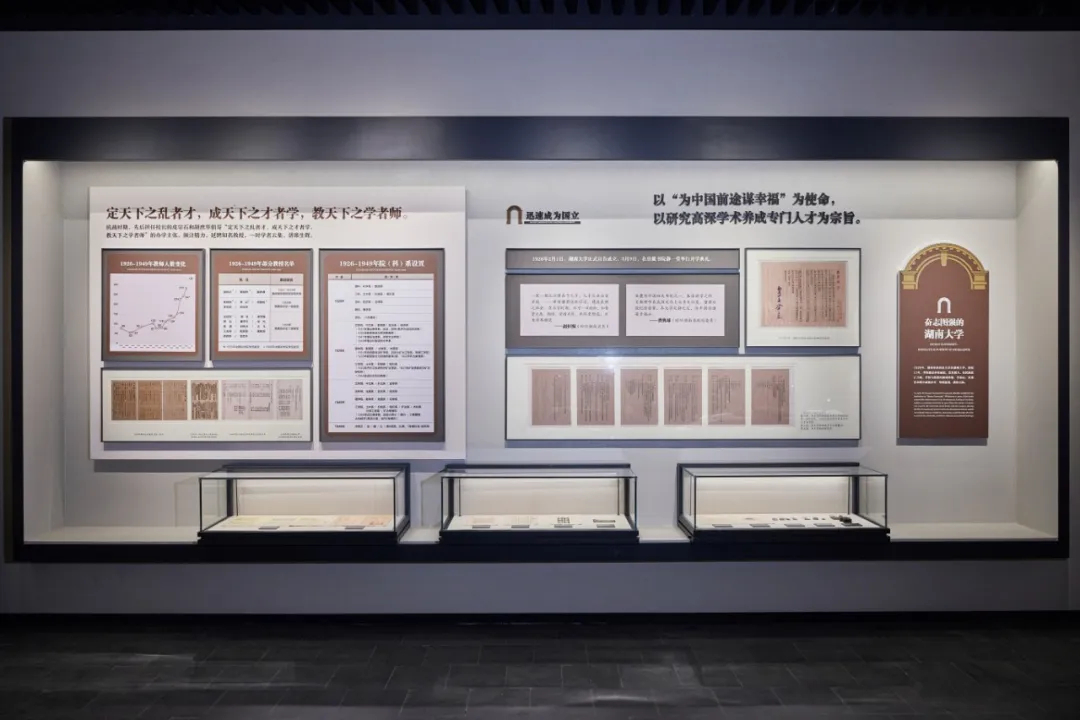
The year 1926 marked the official naming of Hunan University. Shouldering the mission of "striving for the future of China" and oriented towards "conducting advanced academic research and cultivating specialized talents," the university achieved remarkable progress in its development. In July 1937, the Education Ministry of the Government of Republic of China officially issued a document to designate HNU as a state-run university, making it one of the 16 national universities in the country at that time.
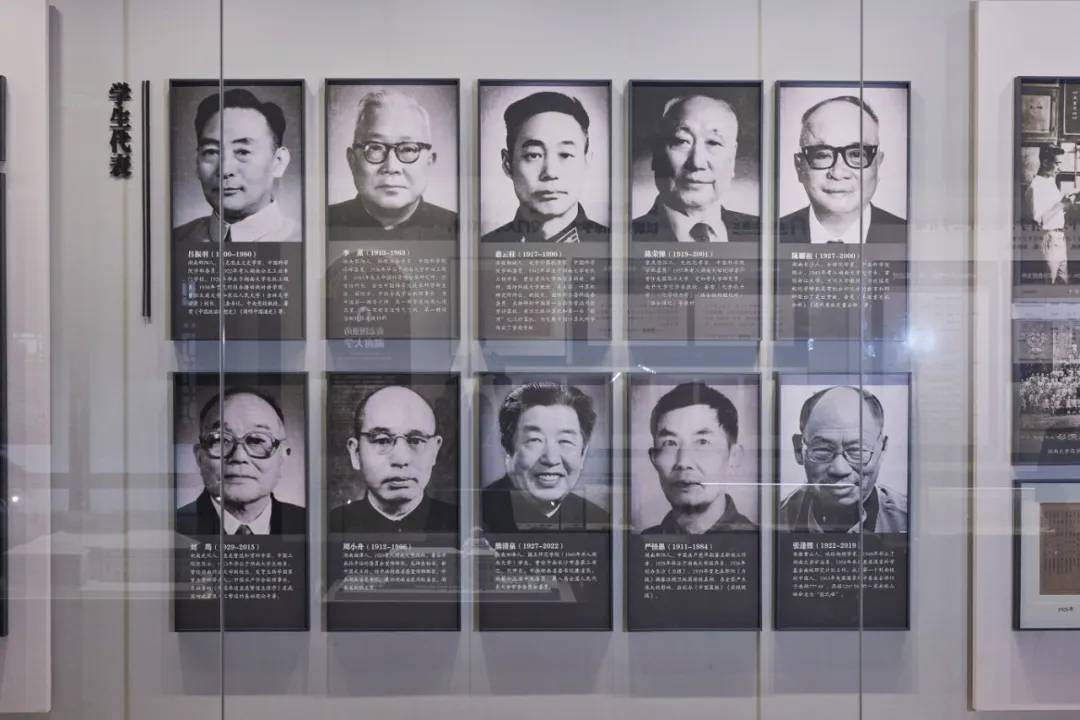
During this period, HNU established its educational philosophy – "Those who pacify the world in chaos are talents; those who cultivate talents are scholars; and, those who guide scholars are educators." A host of distinguished scholars and educators gathered here, including Yang Shuda, Li Jinxi, Dai Xiuzan, Li Da, and Liu Dunzhen, and a number of highly specialized talents received education here, such as LvZhenyu, Li Xun, Ci Yungui, Chen Rongti, Chen Yaozu, and Liu Yun.
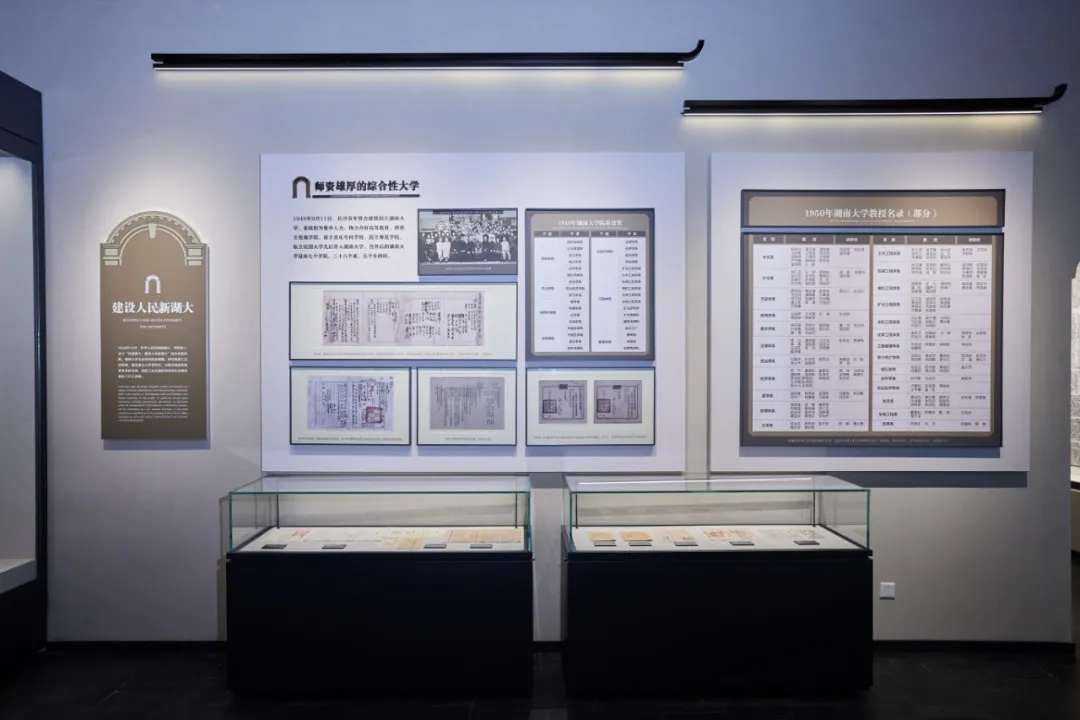
After the founding of the People's Republic of China in 1949, HNU experienced rapid development, entering the stage of "a renewed Hunan University for the people." There were seven colleges and 26 departments, with 245 full and associate professors, including 188 full and 57 associate professors, forming a strong faculty team.
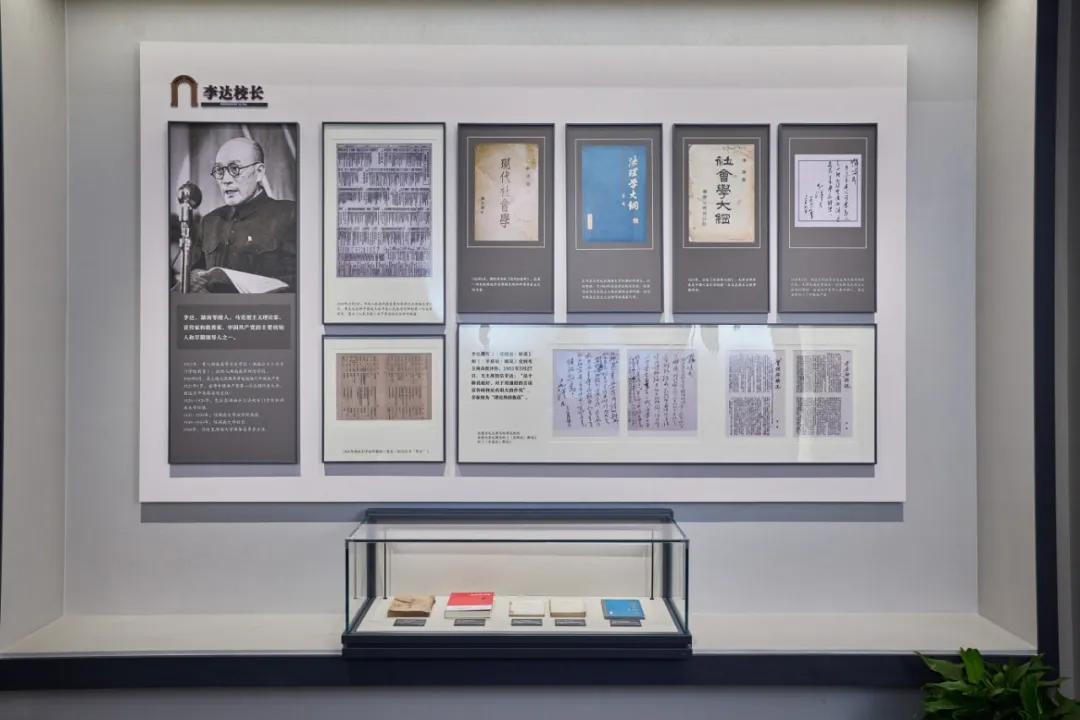
Li Da was appointed by the Central People's Government Council as the first HNU president after the founding of the People's Republic of China in 1949.
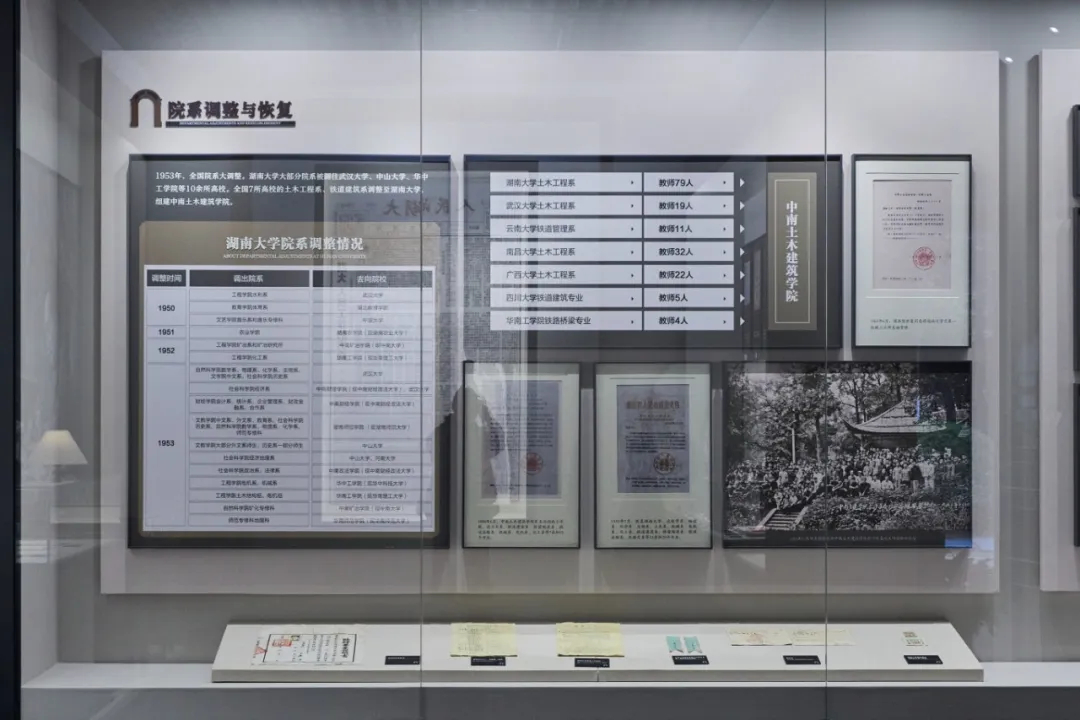
During the reorganization of colleges and departments in universities nationwide in 1953, the departments of civil engineering and railway construction from seven universities around the country were integrated into HNU, forming the Central-South College of Civil Engineering.
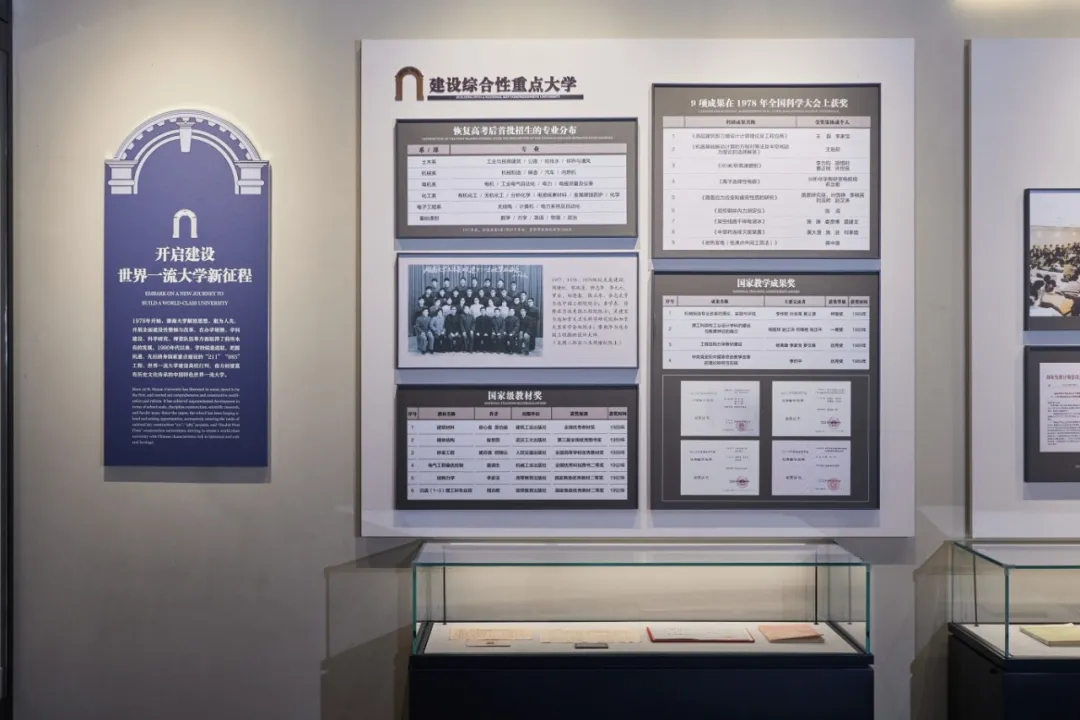
Since 1978, HNU has carried out comprehensive and constructive consolidation and reforms, embarking on a new journey towards becoming a world-class university.
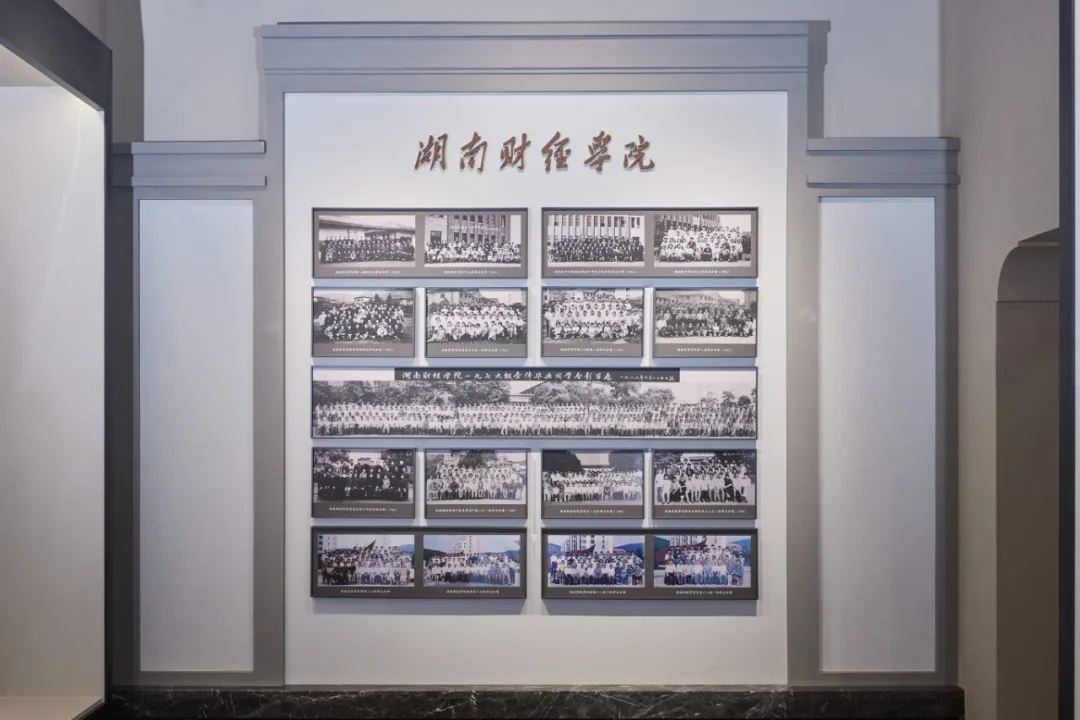
In 2000, HNU merged with Hunan College of Finance and Economics to establish a new Hunan University.
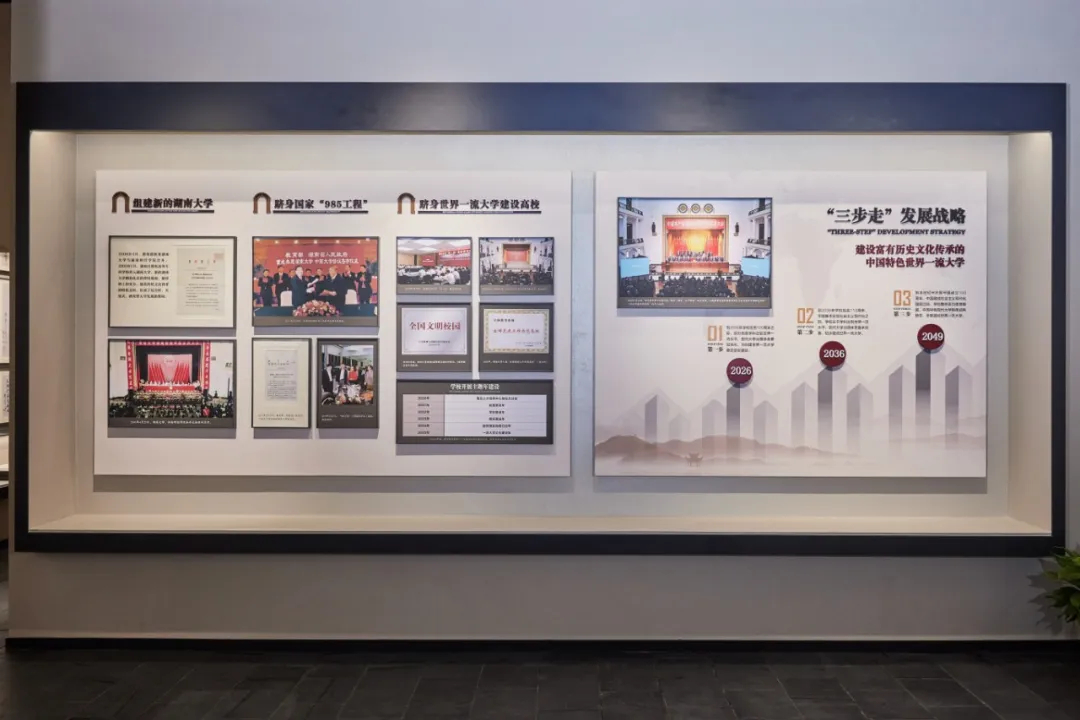
In January 2024, the 10th HNU Party Congress was convened. The meeting put forward a "Three-step" Development Strategy, aiming at building a world-class university that embodies distinctive Chinese characteristics and carries forward a profound historical and cultural legacy.
Applying Wisdom to Real-World Challenges, Pursuing the Greatest Excellence
This section showcases HNU's remarkable achievements made since the founding of the new HNU in 2000. The exhibits highlight HNU's relentless efforts and enterprising spirit in pursuing its aspirations for the future encompassing talent cultivation, scientific research, and social service. During this period, HNU has ushered in a new phase of comprehensively building a world-class university that embodies distinctive Chinese characteristics and carries forward a profound historical and cultural legacy.
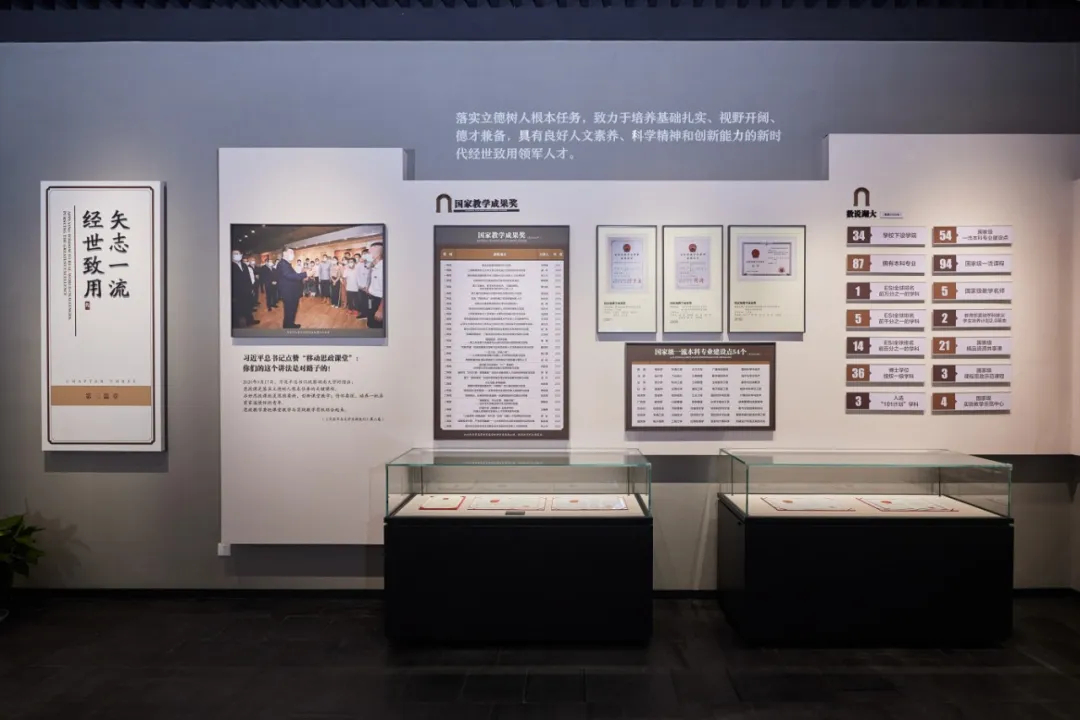
In terms of talent cultivation, HNU has steadfastly implemented the fundamental task of fostering virtue through education, with a dedication to cultivating pragmatic yet visionary leading talents for the new era.
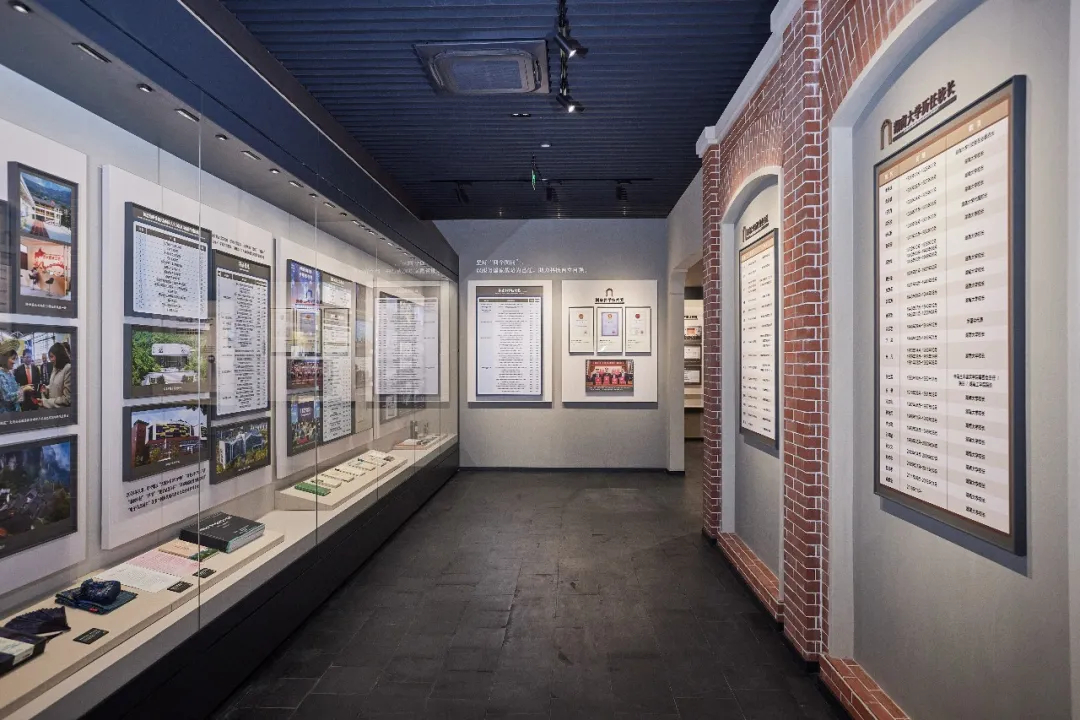
In scientific and technological innovation, HNU has focused on the Four-Pronged strategic orientation—the world's scientific and technological frontier, the main economic battlefield, the major needs of the country, and the lives and health of the people, and the university remains committed to serving national strategies.
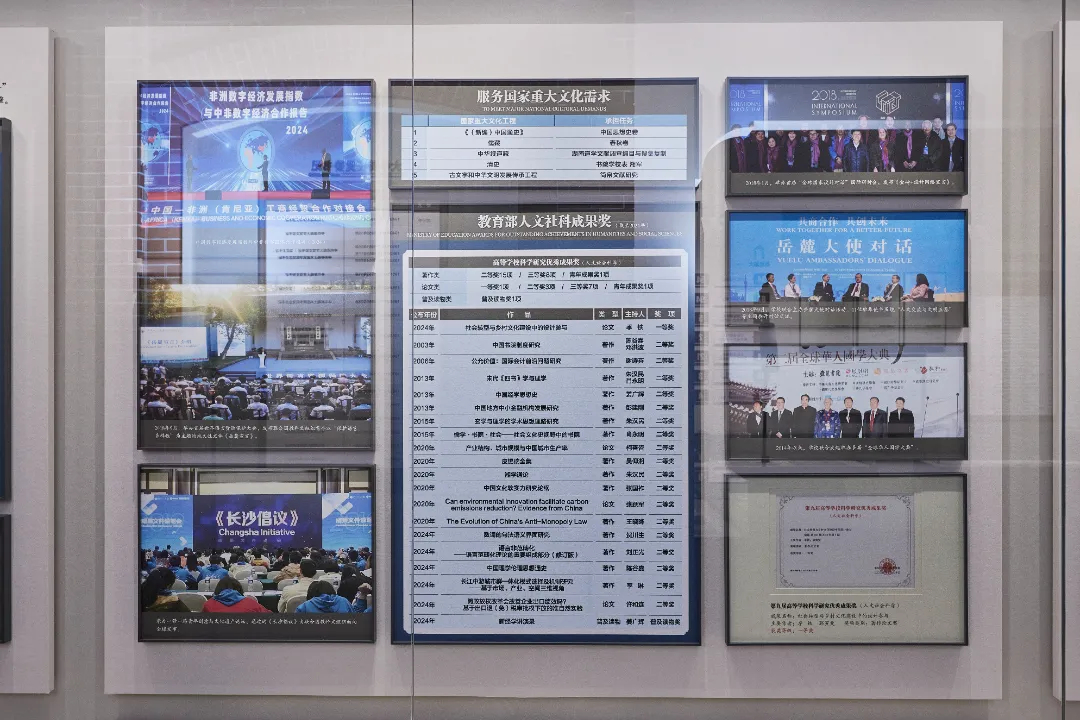
In terms of social science, HNU has undertaken a number of major national cultural projects and large-scale international cultural exchange conferences.
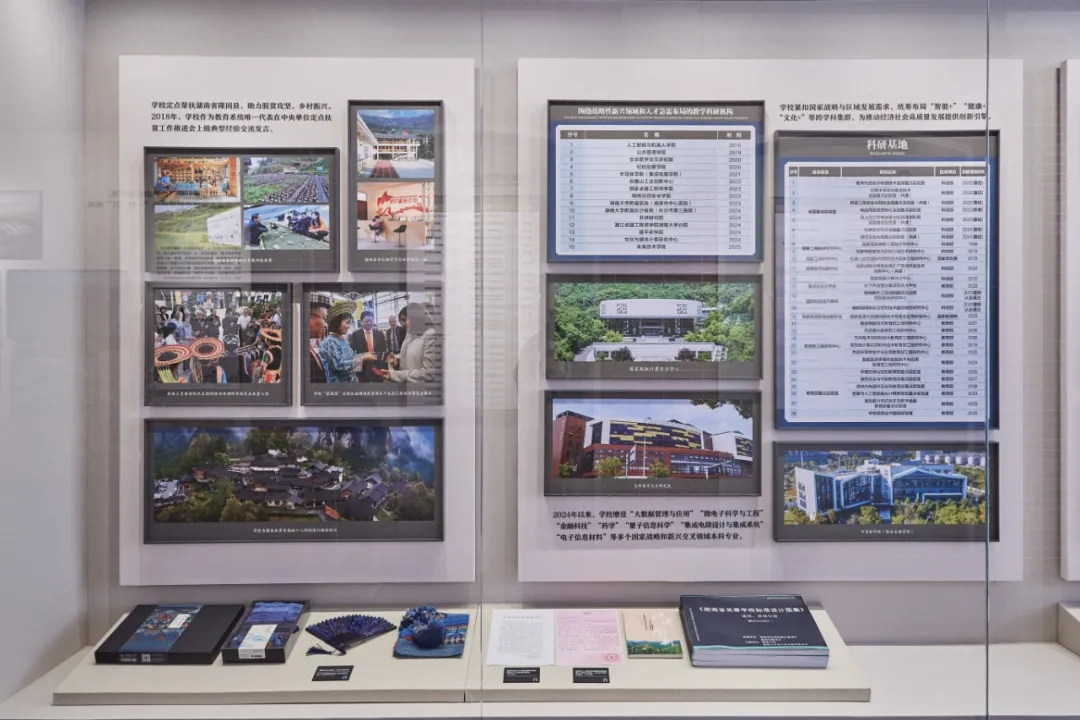
In terms of social service, HNU has provided paired assistance for Longhui County in Hunan's Shaoyang City, helping to develop local specialty industries and to improve rural living environments and infrastructure.
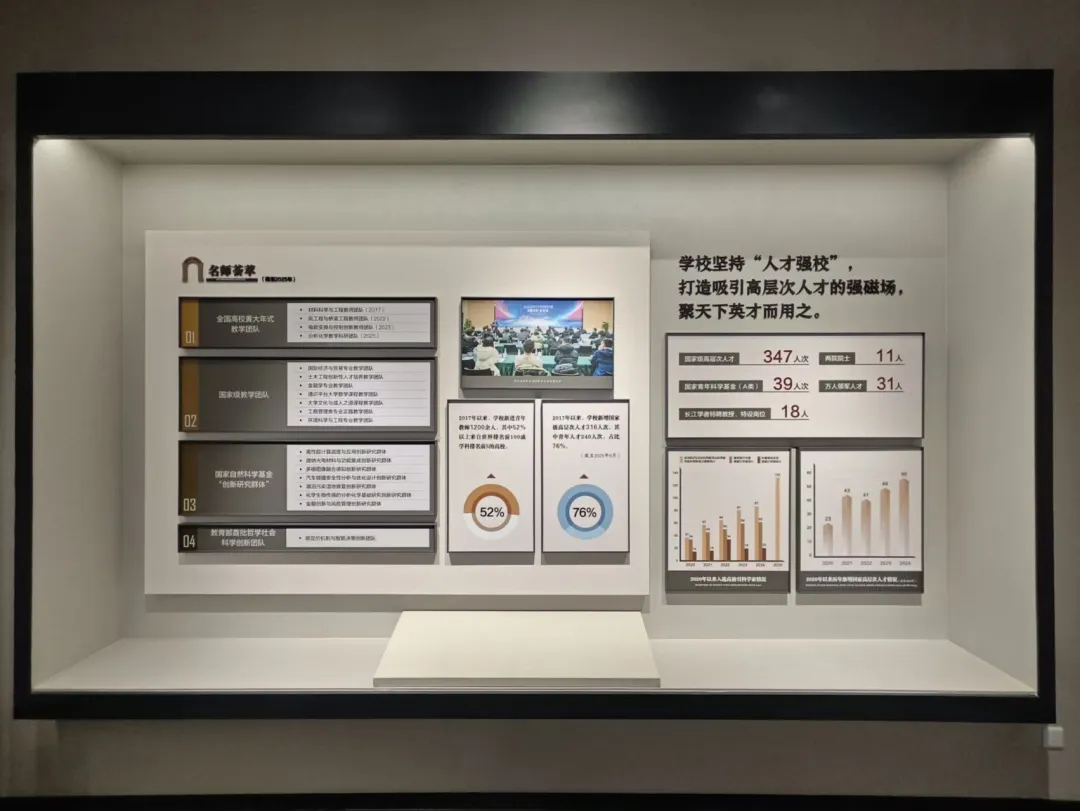
HNU has thoroughly implemented the strategy of "strengthening the university with talents," vigorously recruiting outstanding talents from home and abroad. Since 2020, over 53% of the newly recruited young faculty members graduated from the top 100 universities in global rankings or the top 5 universities in discipline rankings. Among the newly added national-level high-tier talents, 83% are young professionals.
Conclusion
This section focuses on showcasing the outstanding HNU alumni after the founding of the People's Republic of China; the construction of the new Kechuanggang Campus which highlights HNU's role in driving scientific and technological innovation in this era; and, the care and expectations extended to the university by Party and state leaders.
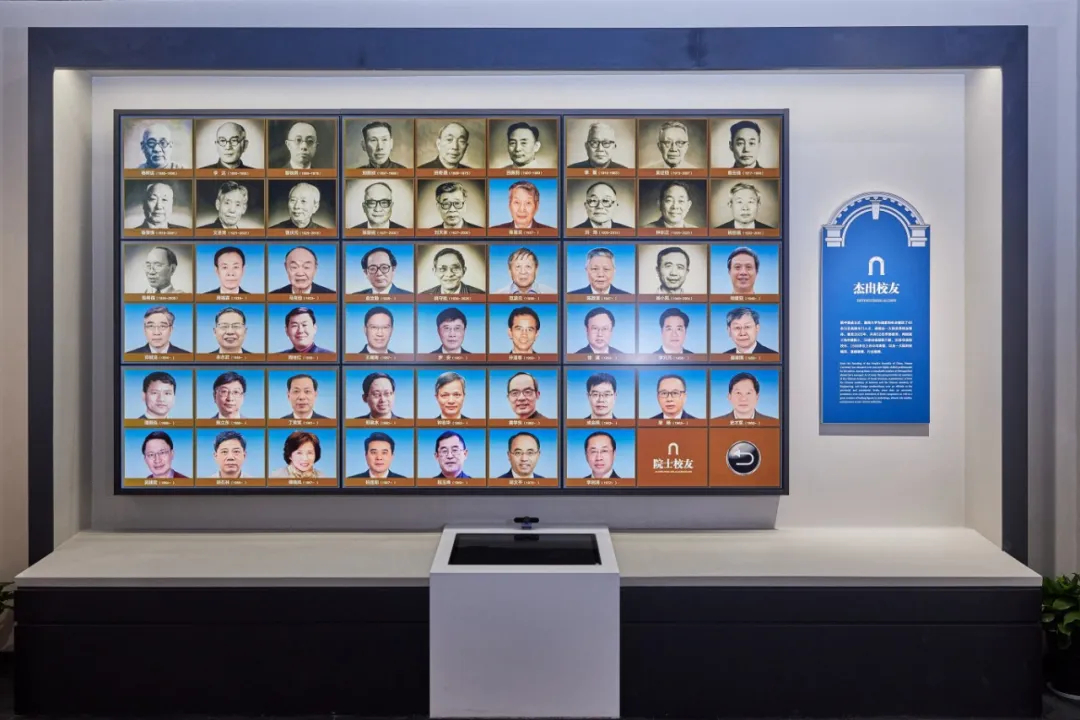
Since the founding of the People's Republic of China in 1949, HNU has fostered over 400,000 high-level professional talents for the nation and the society. Among these, a great many outstanding alumni have excelled in in various fields.
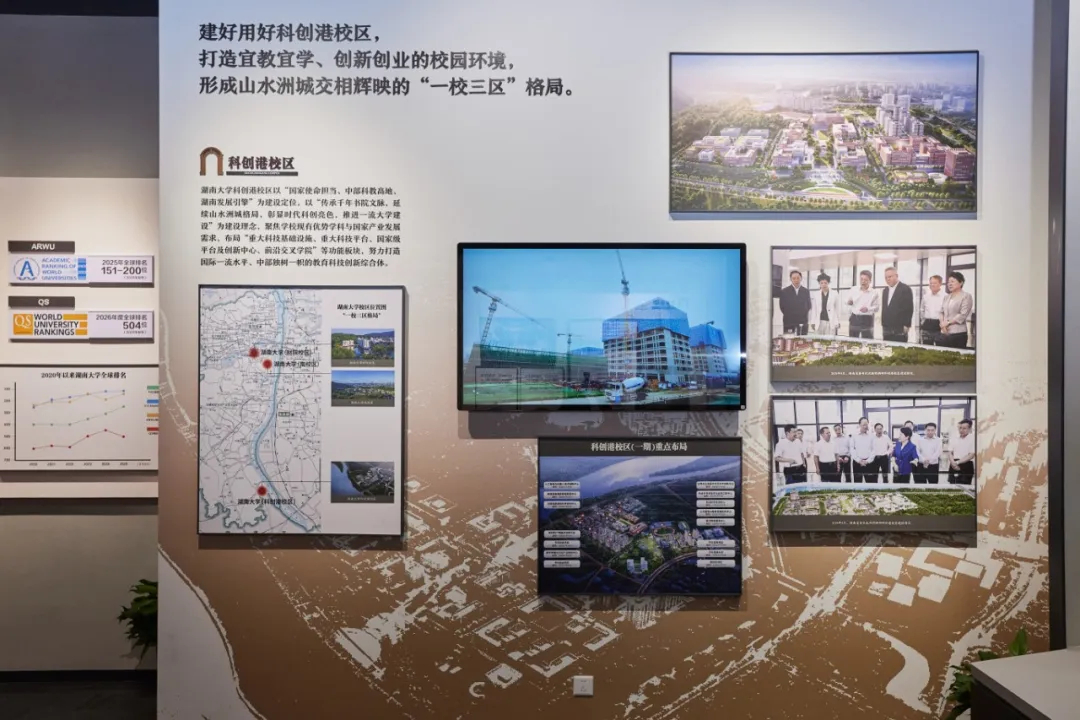
HNU is now leveraging the construction of the Kechuanggang Campus to establish a new development pattern featuring "one university with three campuses."
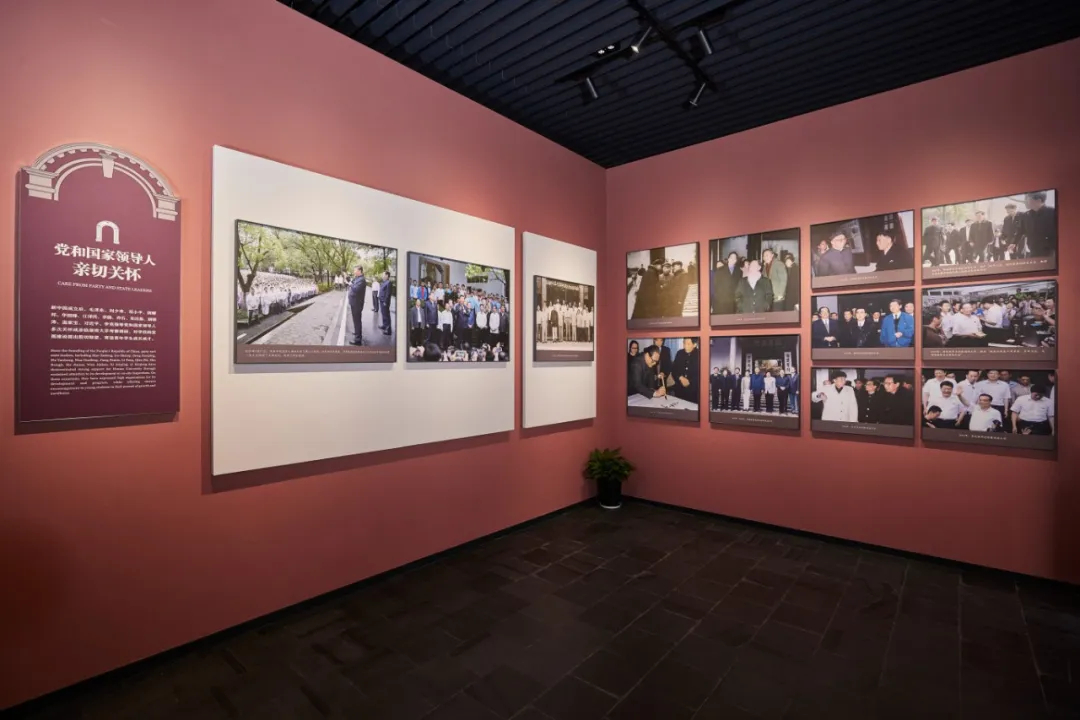
After the founding of the People's Republic of China, Party and state leaders have paid multiple inspection tours to HNU. They have expressed their ardent expectations for HNU’s development, and encouraged the students to pursue growth and excellence.
The exhibition stands as a landmark in HNU's cultural development, helping those at HNU as well as members of the public in all walks of life to gain deeper insight into the university's history, culture, and development, further calling for concerted efforts to build a world-class university that embodies distinctive Chinese characteristics and carries forward a profound historical and cultural legacy.
Welcome to the HNU History Exhibition.